Minimalist Old Money Fashion AI Prompt – Quiet Luxury Outfit
Create elegant quiet luxury outfit images with this old money fashion AI prompt. Includes outfit examples, styling tips, realistic photography settings and FAQs.
Your creative starting point
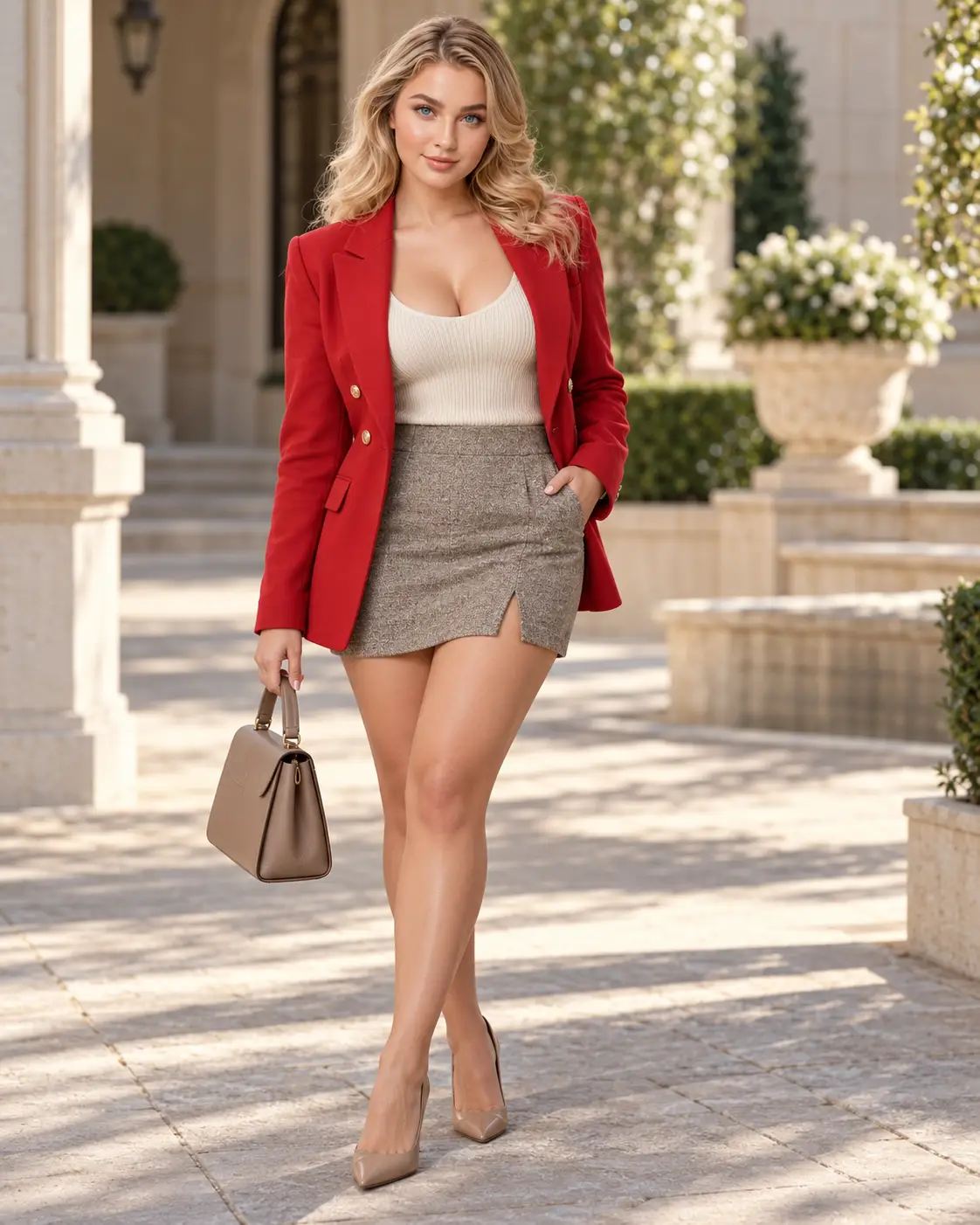
Create a photorealistic quiet-luxury fashion photograph featuring an adult model wearing a carefully styled [NEUTRAL COLOUR] tailored blazer, [SHIRT OR KNIT], [TROUSERS OR SKIRT], and understated leather accessories in a tasteful courtyard or refined architectural setting. Prioritise realistic high-quality textile weave, garment construction, natural drape and flattering but anatomically believable fit. If a clothing reference is provided, reproduce the actual garment faithfully without inventing labels. Use soft morning daylight, subtle architectural shadows, a restrained cream-taupe-charcoal palette, 85mm editorial portrait lens look, polished but natural grooming and elegant relaxed posture. Frame a 4:5 vertical fashion editorial with the outfit fully visible and minimal background distractions. No conspicuous invented logos, unnatural skin smoothing, impossible tailoring, extra fingers, exaggerated luxury props, text or watermark.
Results vary by model, version and settings. Make the prompt your own.
Old money fashion AI prompt: Create a realistic quiet luxury outfit photograph with understated tailoring, natural fabric textures, restrained accessories and soft editorial lighting. This practical guide shows how to customise the prompt for elegant fashion concepts without relying on conspicuous logos or exaggerated luxury props.
What Is the Old Money Fashion Aesthetic?
“Old money” is a popular styling label for understated, classic-looking outfits: tailored blazers, fine knits, crisp shirts, neutral trousers, simple leather accessories and restrained colour palettes. It is an aesthetic, not evidence of a person’s wealth or background. In AI fashion photography, the visual result depends on details such as garment fit, fabric weave, realistic posture and believable lighting.
Quick answer: For an old money outfit AI image, describe a tailored neutral outfit, a refined but ordinary architectural location, soft natural light, minimal accessories and realistic textile detail. Use a 4:5 full-length composition to show the entire look.
Copy the Old Money Fashion AI Prompt
Use the Copy Prompt control on this page to copy the complete reusable prompt. Replace the bracketed outfit and colour details, and upload clothing references if you need to preserve a particular design. The site’s copyable prompt is stored separately and is not replaced by this article.
How to Build a Quiet Luxury Outfit in an AI Image
1. Start with a defined silhouette
Instead of asking for “expensive clothes,” describe a softly structured blazer with natural shoulders, straight-leg tailored trousers, a fine-gauge knit or cotton shirt, and understated leather loafers. Mention how the garments fit and overlap. The AI should show plausible seams, buttons, hems and fabric tension.
2. Choose a controlled colour palette
Ivory, navy, taupe, charcoal, camel and olive are useful starting points. Two or three coordinating tones usually make the outfit easier to read than many competing colours. State the exact garment colours when they matter to a reference.
3. Specify materials and textures
Use terms such as wool twill, cotton poplin, cashmere-style knit or matte leather only when they suit the desired concept. Ask for visible textile weave and natural creasing. Avoid making unsupported material claims when presenting an AI image as an actual product photograph.
4. Select an understated setting
A quiet courtyard, neutral stone facade, library entrance or minimalist studio can complement the clothing. Keep architecture in the background and avoid invented brand signs, private-club insignia or luxury objects that distract from the outfit.
5. Use believable editorial photography
Soft morning daylight with subtle fill creates readable details in light and dark fabrics. An 85mm-style perspective can produce flattering proportions; request natural skin texture, relaxed hands and a full-length 4:5 crop. Keep shoes and garment hems in frame.
Example: Classic Neutral Tailoring
Sample inputs: An adult model in a camel wool-look blazer, ivory fine-knit top, tailored charcoal trousers and plain brown loafers; a pale stone courtyard; soft morning light; full-length 4:5 framing.
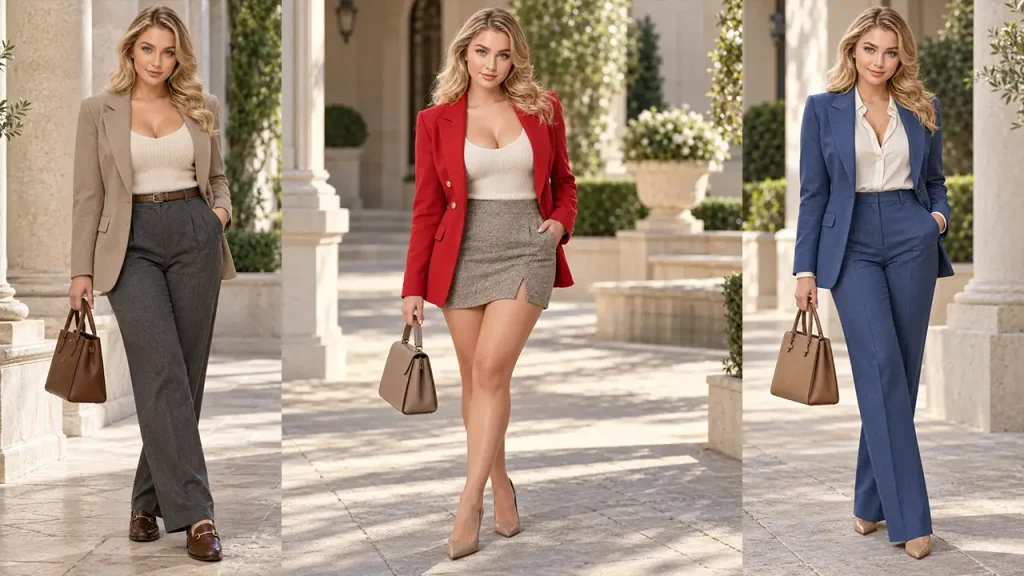
Illustrative result: A composed, naturally posed fashion portrait with realistic jacket construction, soft knit texture and an uncluttered architectural background. This description is a conceptual example, not a verified output from a specific image generator.
Three Old Money Fashion Prompt Variations
Women’s Quiet Luxury Look
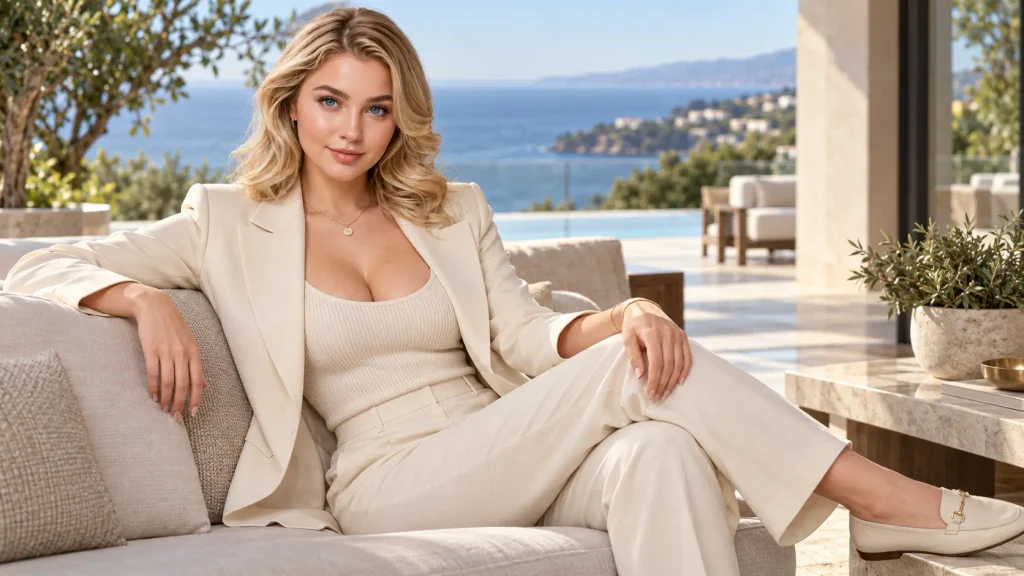
Create a photorealistic luxury fashion editorial using the uploaded reference image. Preserve the person’s exact facial identity, facial features, skin tone, and hairstyle. Style them in a cream tailored blazer, a fine-gauge knit top, ankle-length straight-leg trousers, and understated leather flats. Keep accessories minimal, with subtle jewellery and naturally styled hair. Emphasize precise tailoring, realistic fabric textures, natural garment drape, and refined proportions. Use soft natural lighting, balanced composition, and sophisticated colour grading. Maintain professional fashion photography quality in a 16:9 aspect ratio. Avoid facial alterations, artificial skin smoothing, distorted anatomy, text, and watermarks.
Men’s Classic Tailoring
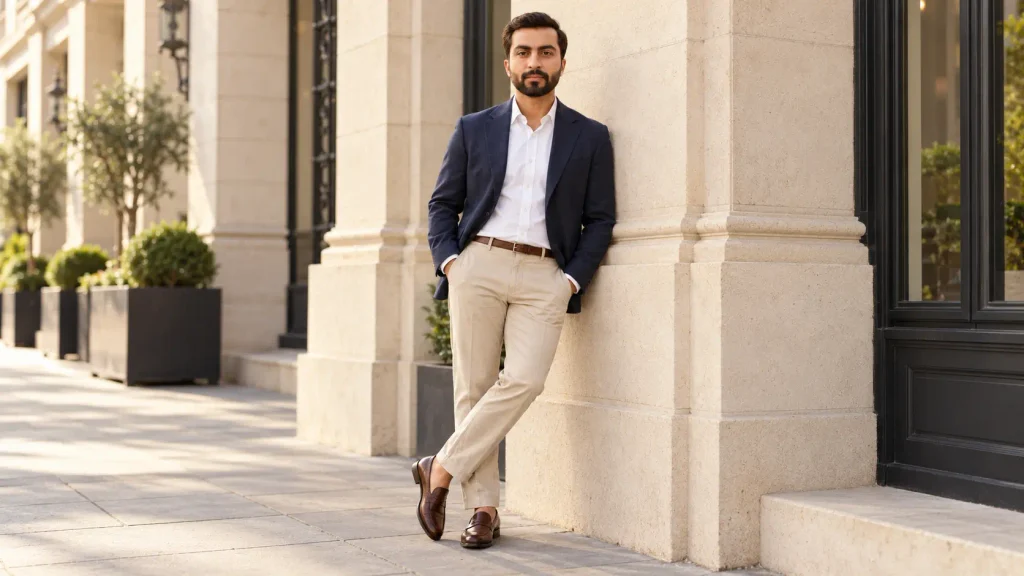
Create a photorealistic 16:9 image using the uploaded reference. Preserve the person’s exact face, identity, facial features, skin tone, hairstyle, and age without any changes. Dress them in a navy unstructured blazer, white Oxford shirt, stone chinos with natural trouser breaks, and brown leather loafers. Use soft morning light, realistic fabric textures, natural shadows, and professional fashion photography. Change only the outfit and background as needed. Avoid facial alterations, face swapping, artificial skin smoothing, distortion, text, and watermarks.
Autumn Heritage-Inspired Outfit
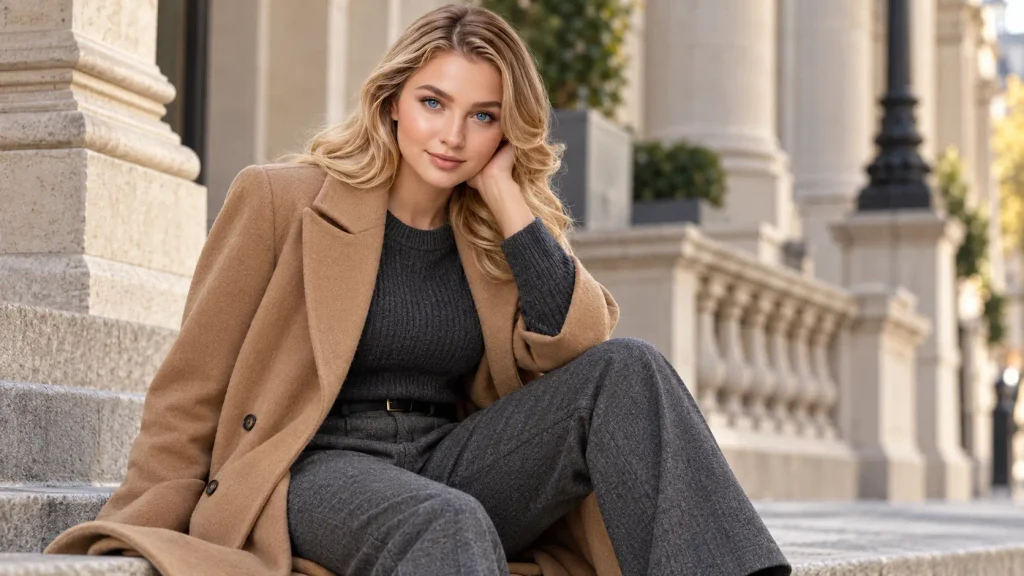
Create a photorealistic luxury fashion editorial using the uploaded reference image. Preserve the person’s exact facial identity, facial features, skin tone, and hairstyle. Style them in a tailored camel coat layered over a charcoal knit sweater with refined wool trousers. Position them beside a neutral stone building in soft natural light. Emphasize realistic fabric textures, authentic coat weight, precise tailoring, natural shadows, and sophisticated, understated colour grading. Maintain professional fashion photography quality and a 16:9 aspect ratio. Do not alter the face or identity. Avoid artificial skin smoothing, distorted anatomy, text, and watermarks.
Old Money vs Quiet Luxury vs Minimalist Fashion
These labels overlap but are not identical. Old money-inspired styling often references traditional tailoring and heritage-looking pieces. Quiet luxury focuses on understated design and materials without prominent logos. Minimalism prioritises reduced visual complexity and can include contemporary silhouettes. For AI images, specific garment descriptions are more reliable than any single aesthetic label.
Common AI Fashion Image Problems and How to Fix Them
| Issue | Better instruction |
|---|---|
| Plastic-looking skin | Request natural skin texture, soft light and restrained retouching. |
| Warped jacket seams | Specify realistic lapels, buttons, sleeves and garment construction. |
| Too many luxury accessories | Limit the look to one or two simple, unbranded accessories. |
| Incorrect clothing colours | State each garment’s colour explicitly and supply authorised references. |
| Cropped shoes or hands | Ask for full-body framing with space above the head and below the feet. |
| Invented designer logos | Request fictional unbranded garments unless a real authorised reference requires a logo. |
Practical Image Review Checklist
- Check that the outfit silhouette, layering and fit make physical sense.
- Inspect fingers, shoes, garment seams and accessories at full resolution.
- Verify that the lighting direction matches visible shadows.
- Confirm that colours and branding match any authorised clothing references.
- Export a compressed, appropriately sized image and add descriptive alt text when publishing it online.
- Clearly identify AI-generated fashion concepts rather than implying a real model, garment or campaign was photographed.
Frequently Asked Questions
What is the best old money fashion AI prompt?
A useful prompt specifies the outfit silhouette, neutral colours, fabric textures, understated location, natural pose and realistic lighting. Detailed garment instructions generally help more than repeating “luxury” or “expensive.”
Can I use this prompt in ChatGPT or other AI image generators?
Yes, with tools that support text-to-image generation. Results and reference-image controls vary by service.
Which colours work best for a quiet luxury fashion image?
Camel, ivory, navy, taupe, charcoal and olive are common choices, but the best palette depends on the garments and desired setting.
How do I keep the original outfit design unchanged?
Use clear, authorised reference images and request that the generator preserve cut, seams, colours and details. Inspect the output because image generators can still alter fine features.
Can AI-generated fashion images be used commercially?
Check the generation tool’s terms and confirm rights to referenced designs, trademarks and likenesses. Do not represent a fictional image as a photograph of a real product or event.
Editorial Note
This Prompts Invention guide provides practical prompt-writing guidance and illustrative examples. It does not claim that a particular image generator has been tested for this article. Review generated results and licensing terms before professional use.
Conclusion
The strongest old money fashion AI images rely on precise tailoring, restrained styling and photographic realism rather than luxury stereotypes. Start with the copyable prompt, customise the outfit details and use the review checklist to refine your final image.